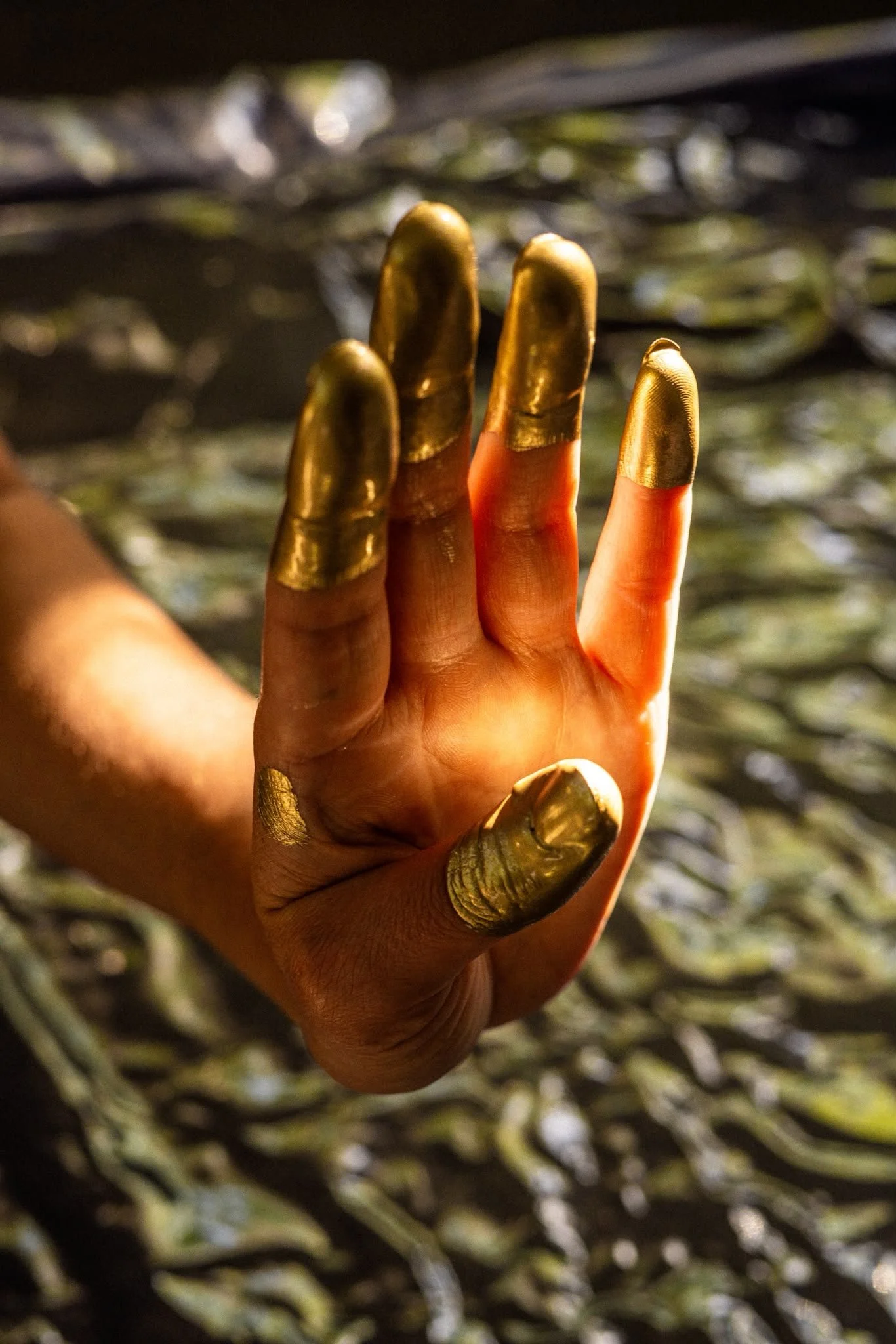
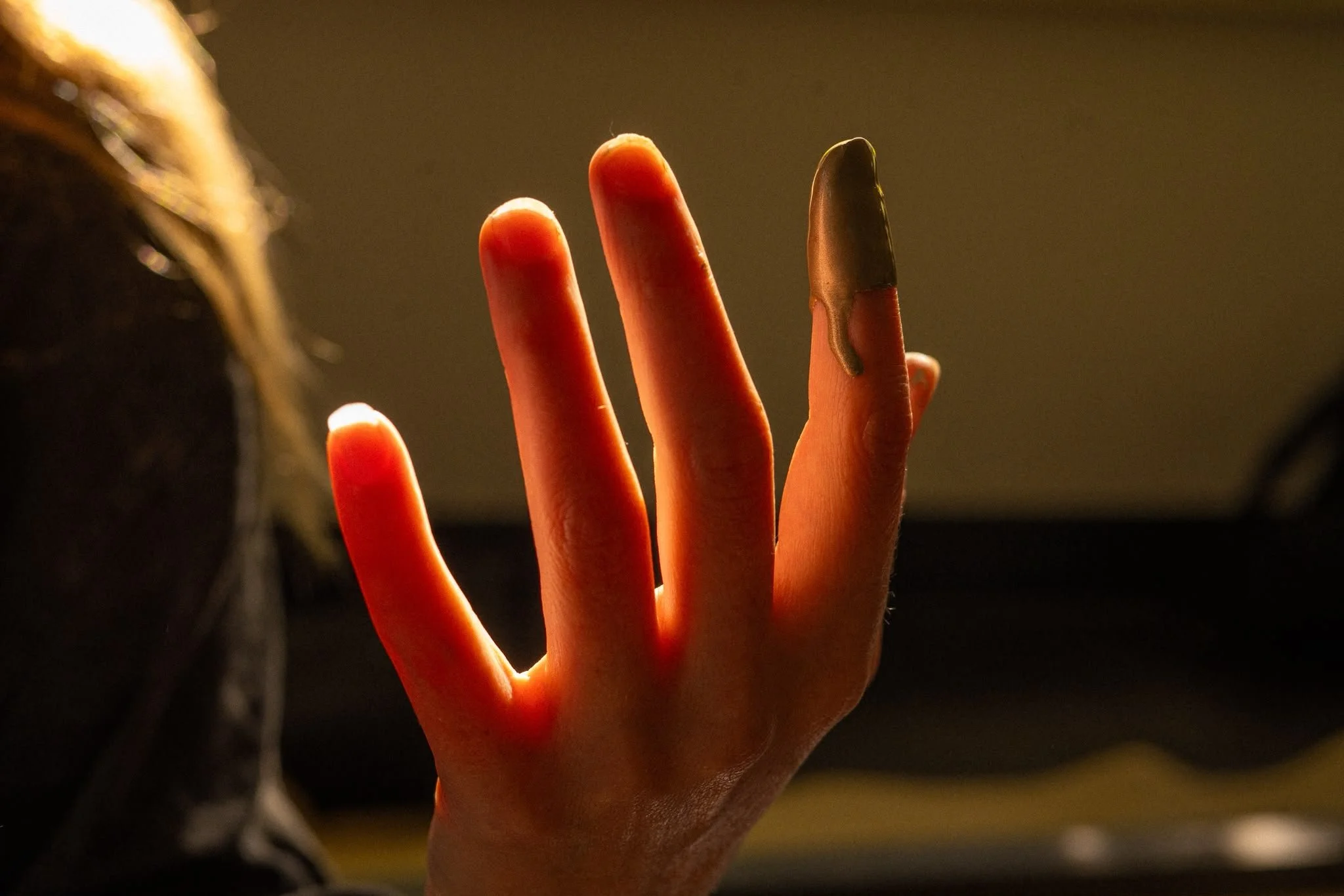
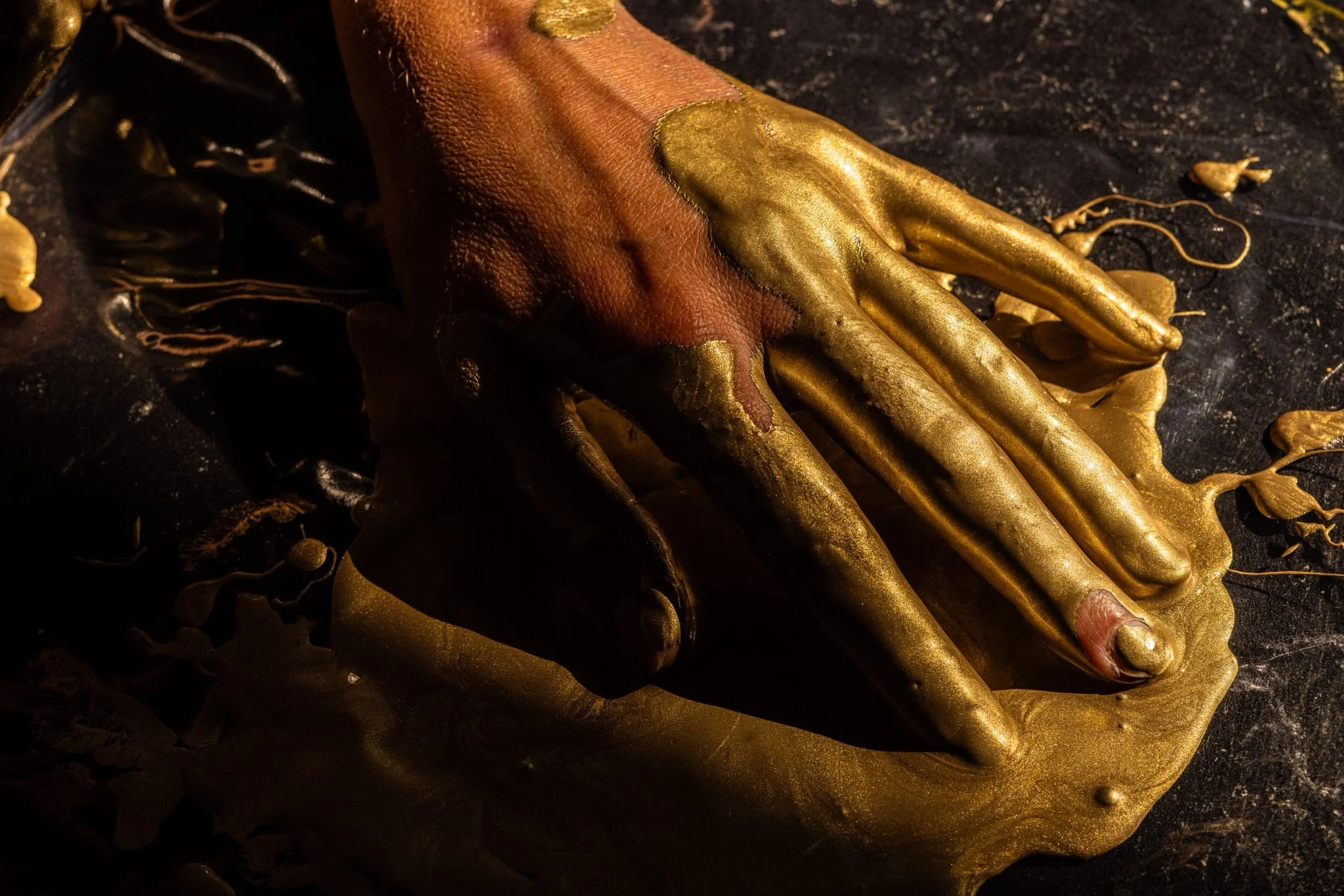
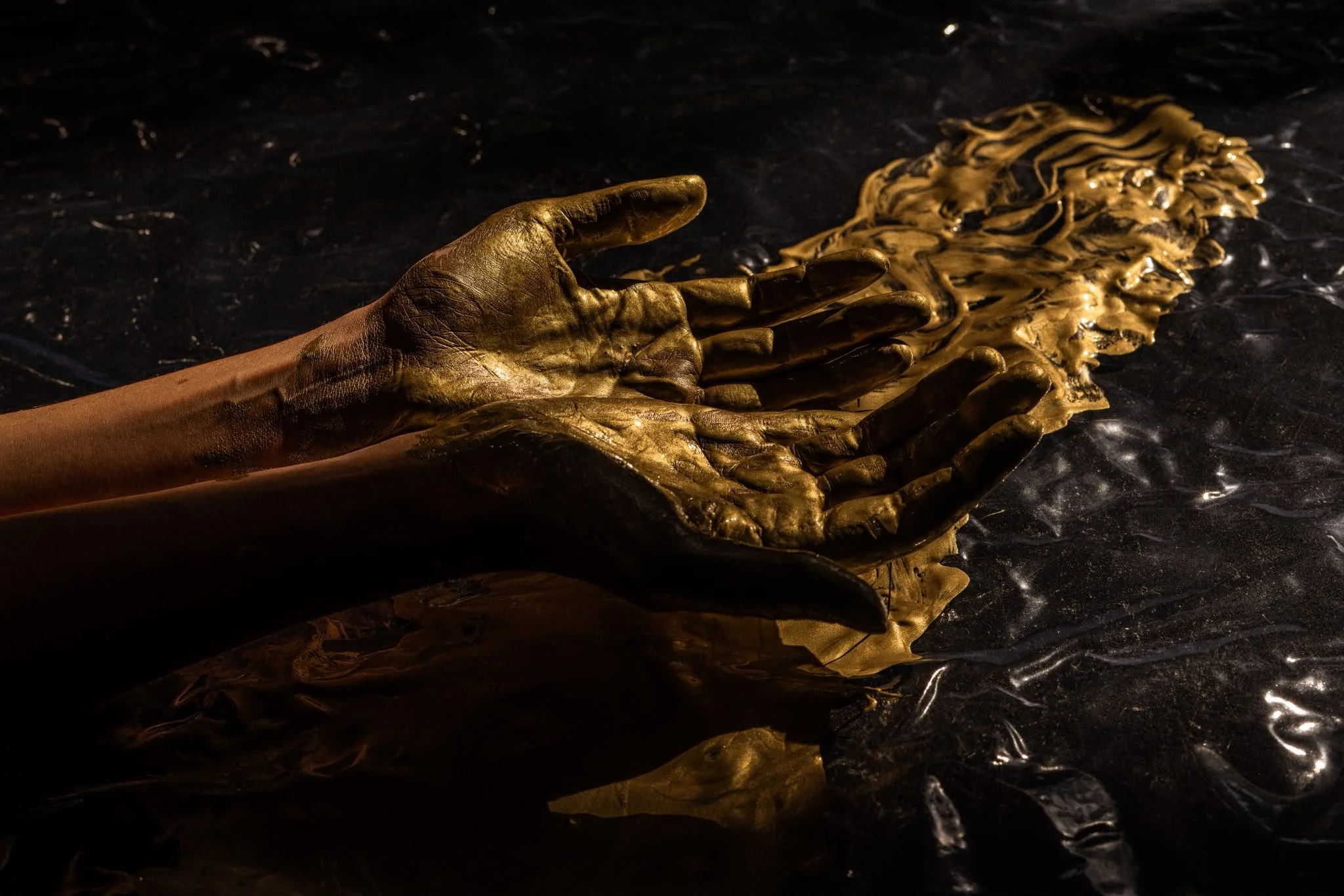
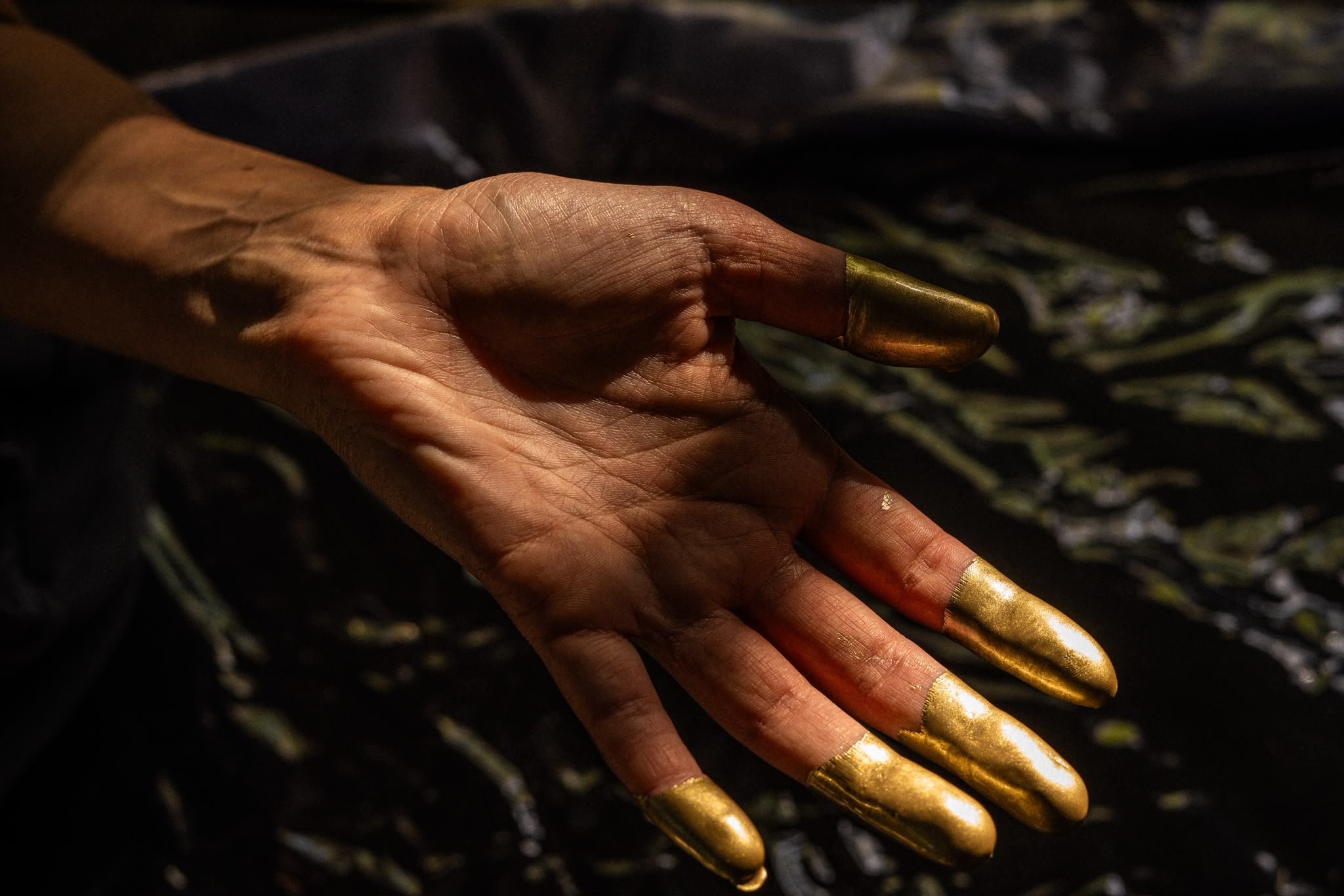
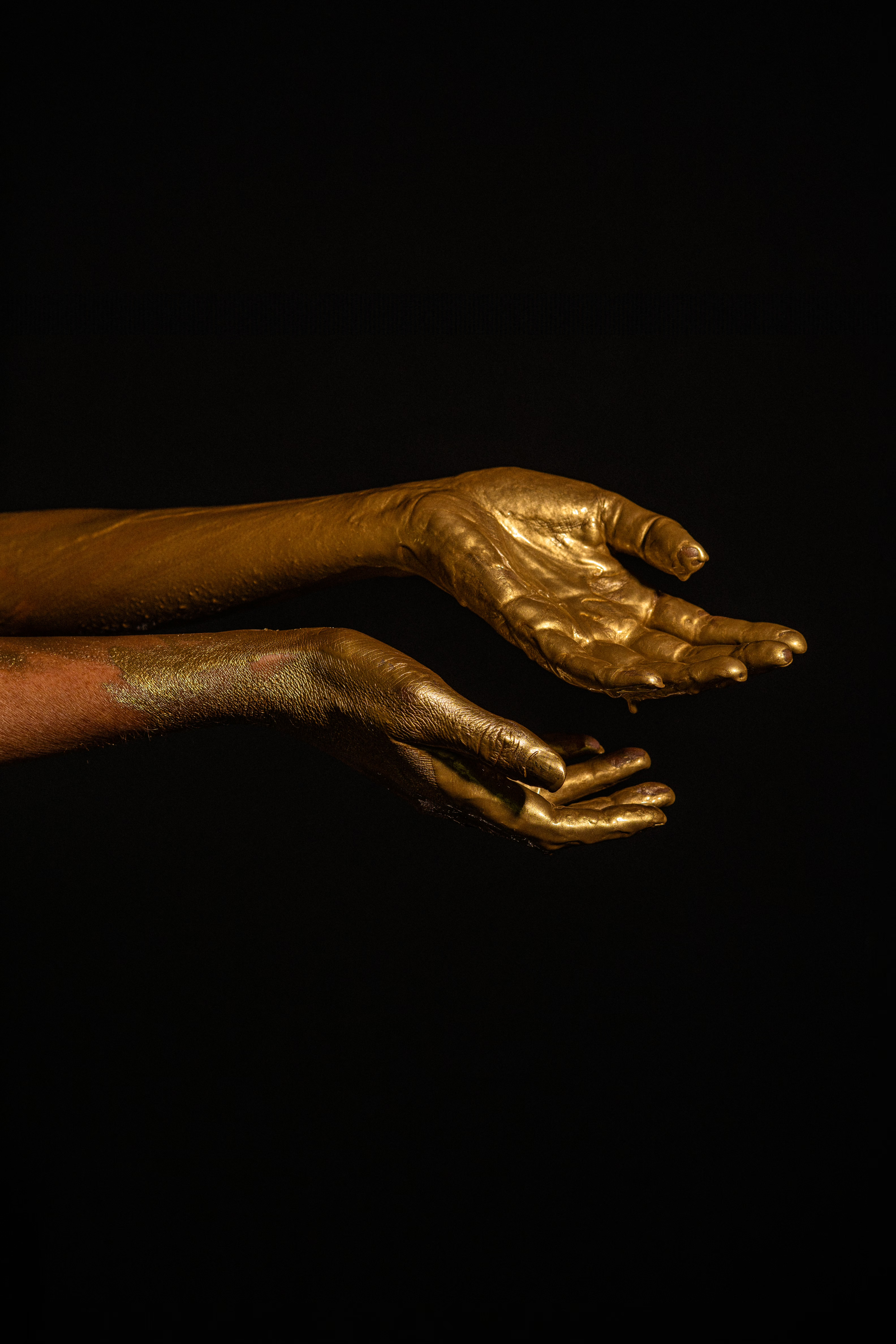
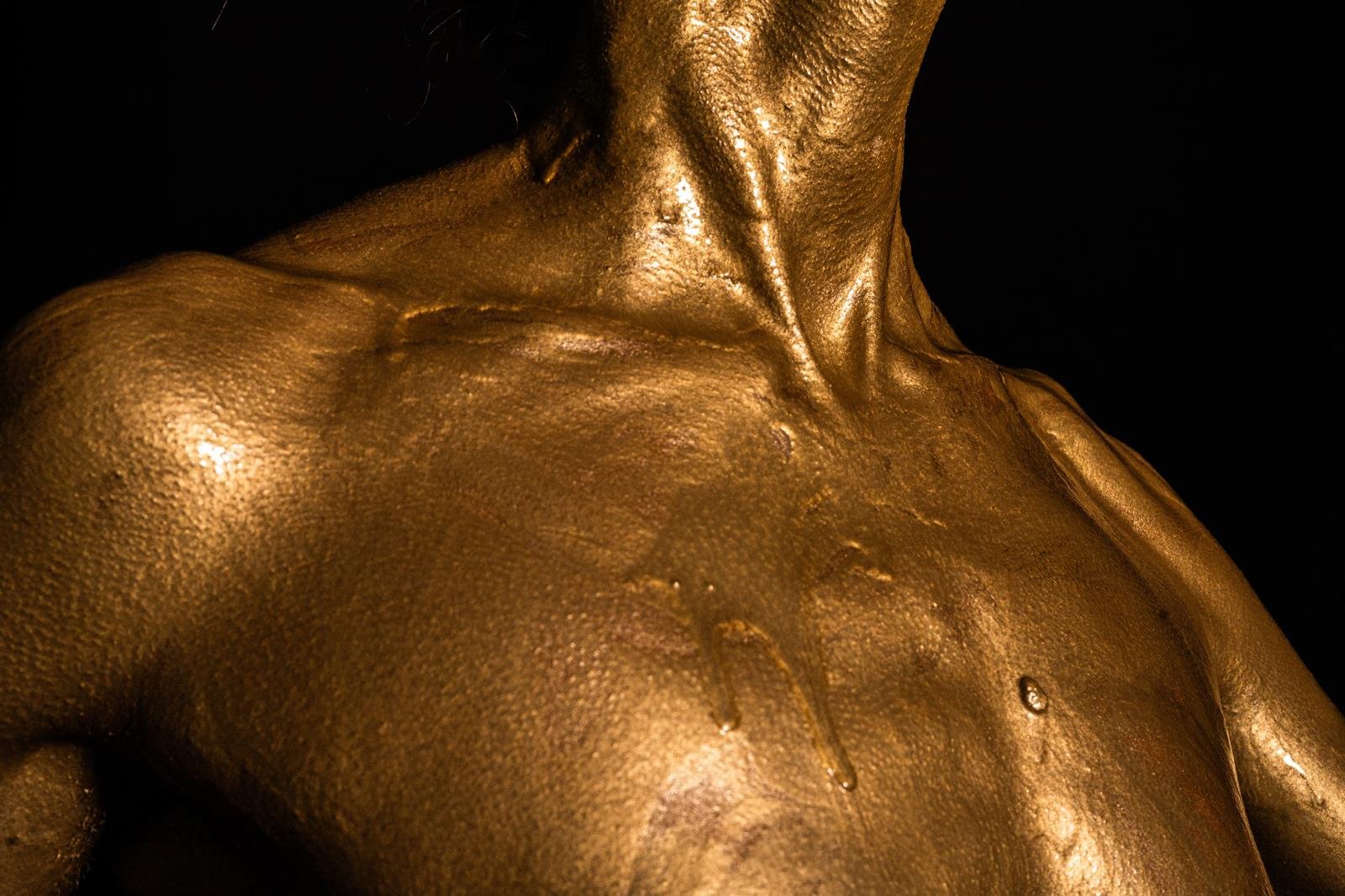
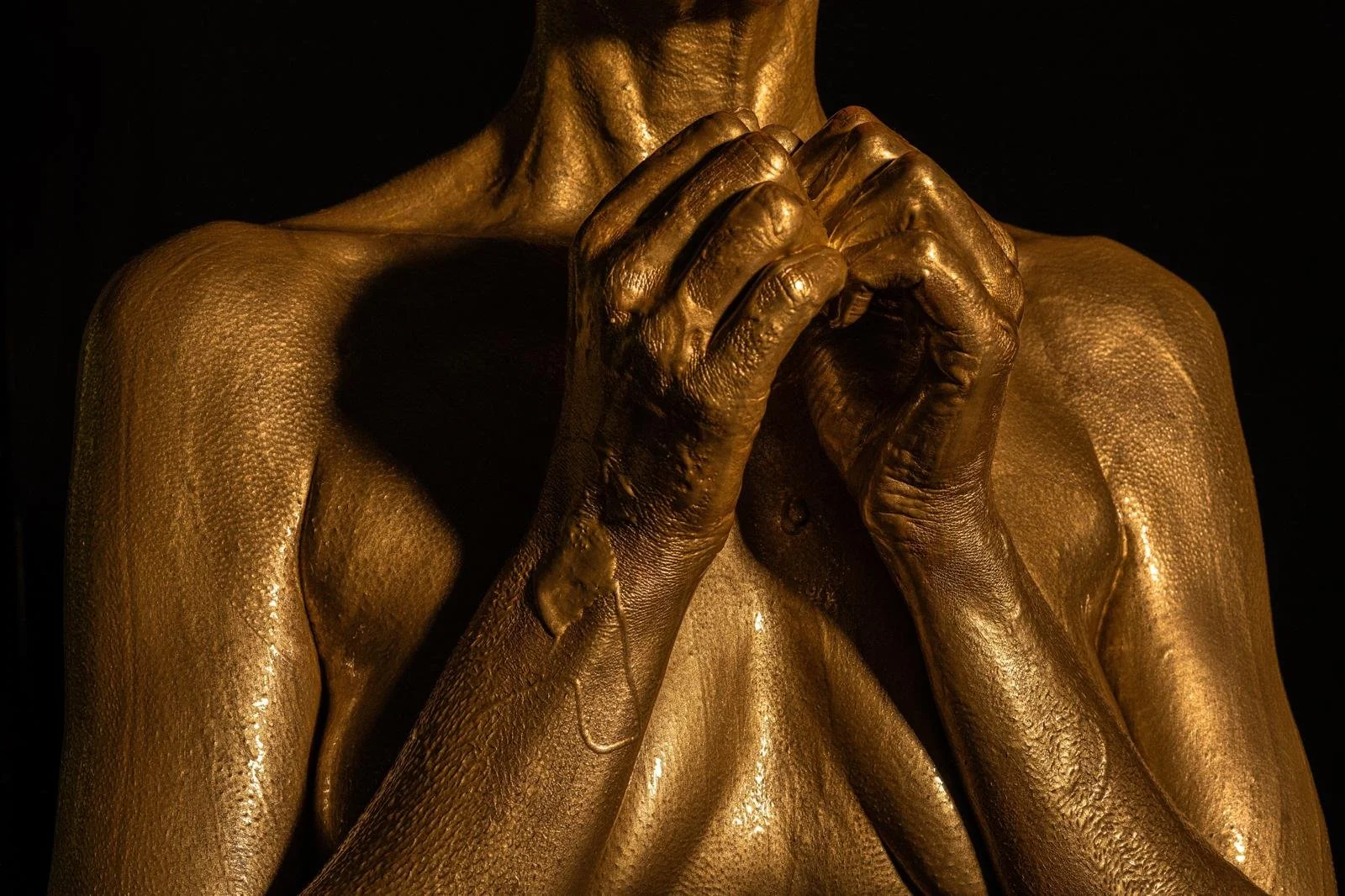
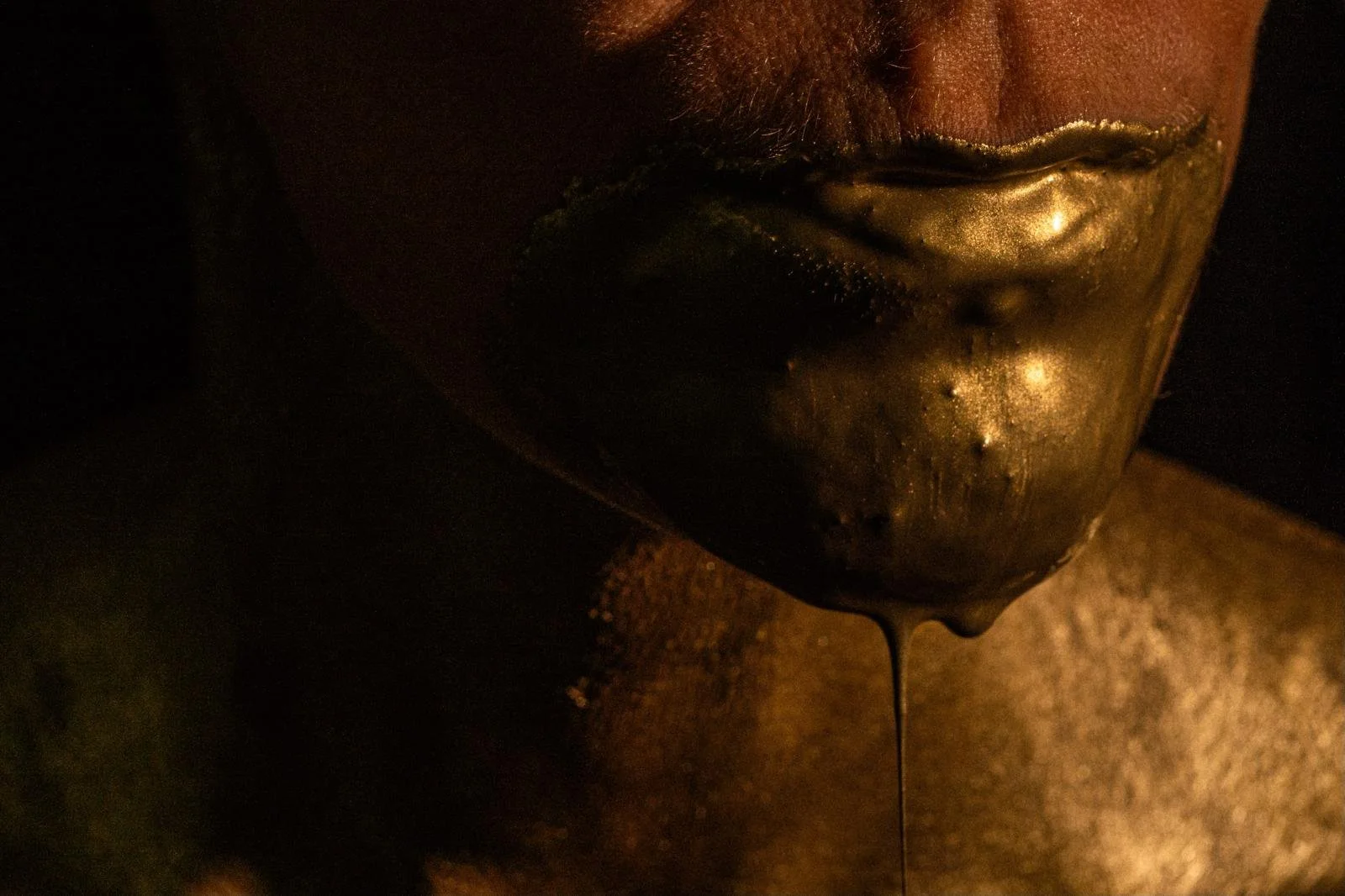
The body is an archive. It is wise beyond what the mind knows. It holds, within its matter, the memory of eight generations and the technology for eight generations to come. It speaks to us, and we express what it has to say through dance. Dancers know this. We train ourselves to listen and translate what the body has to say. We speak in rhythm, vibration, and emotion. We shape our bodies into images. We feel. For the collective to witness our shared humanity across time and space. For the collective to remember that movement is our nature.
For the collective to release and transmute emotions into ecstasy.
Culture shapes how we view the body. Age is a social construct. As Western dancers, we grow up shaping our bodies to meet the standards of youth, believing that at some point our bodies become too old to be valuable, too old to be part of culture. Isn’t this a cruel metaphor for how our society views old age and the body? As if we stop expressing aliveness. As if our aliveness isn’t shaped by our growing ability to hold conflicting emotions, our expanding capacity to imagine, and our increasingly rooted presence as we age.
Culture shapes how we view the body. We are culture.
So I decided to reject the belief that a dancer loses relevance after forty, and to reinforce the idea that the aging body is part of culture and should be cultivated through dance. I am devoted to this belief, and it is freeing me. Over the past couple of months, I have dedicated myself to a research project exploring the following questions:
In what ways does the body’s capacity for expression expand as we grow older?
How can I release the old programming of Western dance in order to feel that I belong to dance culture?
How can I embrace my body as an expanding archive that needs to be expressed outwardly through dance?
How can I bring together people who feel the same way?